
Home
Basic and Applied Ecological Research
Discover the pioneering world of environmental research at the Savannah River Ecology Laboratory (SREL), a division of the University of Georgia. Specializing in both basic and applied ecological studies, SREL stands at the forefront of examining diverse ecological levels, ranging from atoms to ecosystems.
Situated near Aiken, South Carolina, SREL operates on the Savannah River Site, a Department of Energy facility renowned as the first National Environmental Research Park (NERP) in the USA. The lab’s pivotal location fuels its extensive research, which encompasses local ecological inquiries and branches out to impactful regional and global environmental projects.
Boasting a robust portfolio, SREL has contributed over 3,700 peer-reviewed publications to the field of ecology, underlining its commitment to advancing knowledge in environmental research, radioecology, remediation, environmental stewardship, and environmental health. Join us in exploring the depths of ecological science at SREL, where research transcends boundaries and fosters a sustainable future.
News
Faculty Spotlight
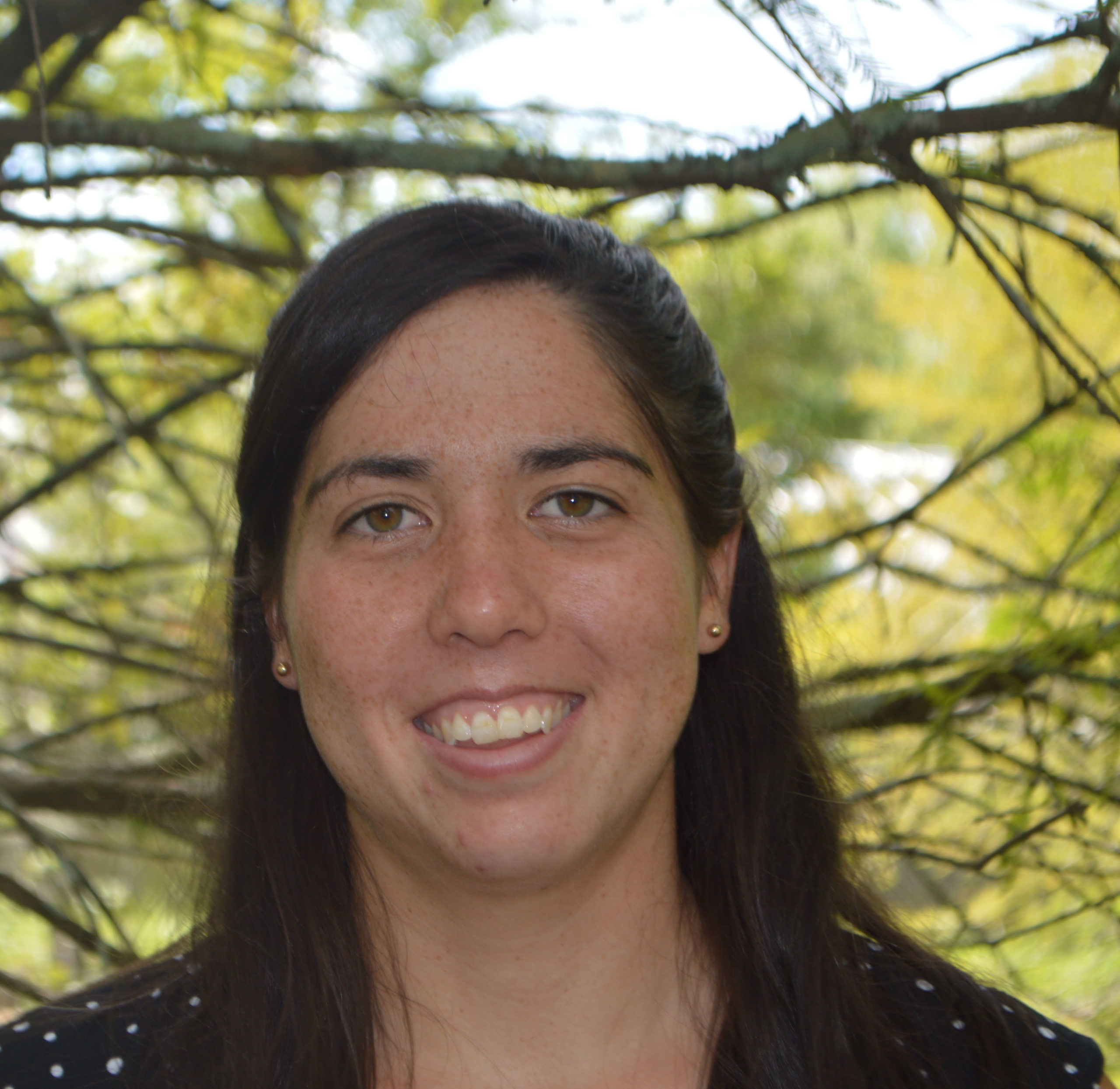
Brennan Ferguson
Assistant professor Brennan Ferguson received a Ph.D. in environmental engineering and earth sciences from Clemson University with undergraduate work in chemistry and environmental studies at Alfred University.
One of her favorite things about working in a lab is the problem-solving aspect. “Many things can wrong in research. It requires creative and critical thinking to be able to successful. This always keeps things interesting!” Dr. Ferguson states.
Her advice to aspiring scientists is that “it’s okay to be wrong, to not be perfect, but to fail. The most important to learn from your mistakes. This makes you a little better tomorrow”.