|
HOW DO YOU BECOME AN ECOLOGIST?
by Whit Gibbons
March 12, 2006
One thing
that never seems to change about the field of ecology is that young people
have questions, usually because of a classroom assignment, about the profession.
Students are often instructed to write someone in a profession and ask
a series of questions. This is an excellent exercise for young people
who are interested in a particular career. The answers are often easy-to-provide
facts, but some questions are more thought provoking. Most of the answers
should be of value to anyone wanting to pursue ecology as a career.
Q. What training
do I need to become an ecologist and what types of organizations would
be most likely to hire me?
A. Based
on the origin of the word "ecology," a strict definition of
"ecologist" is someone who studies the household, which we now
interpret as studying the relationship between organisms and their environments.
For some situations, a college degree at the bachelor's or master's level
is sufficient whereas for others a Ph.D. is necessary. Not all ecologists
conduct research; some teach or are communicators of another kind. Today's
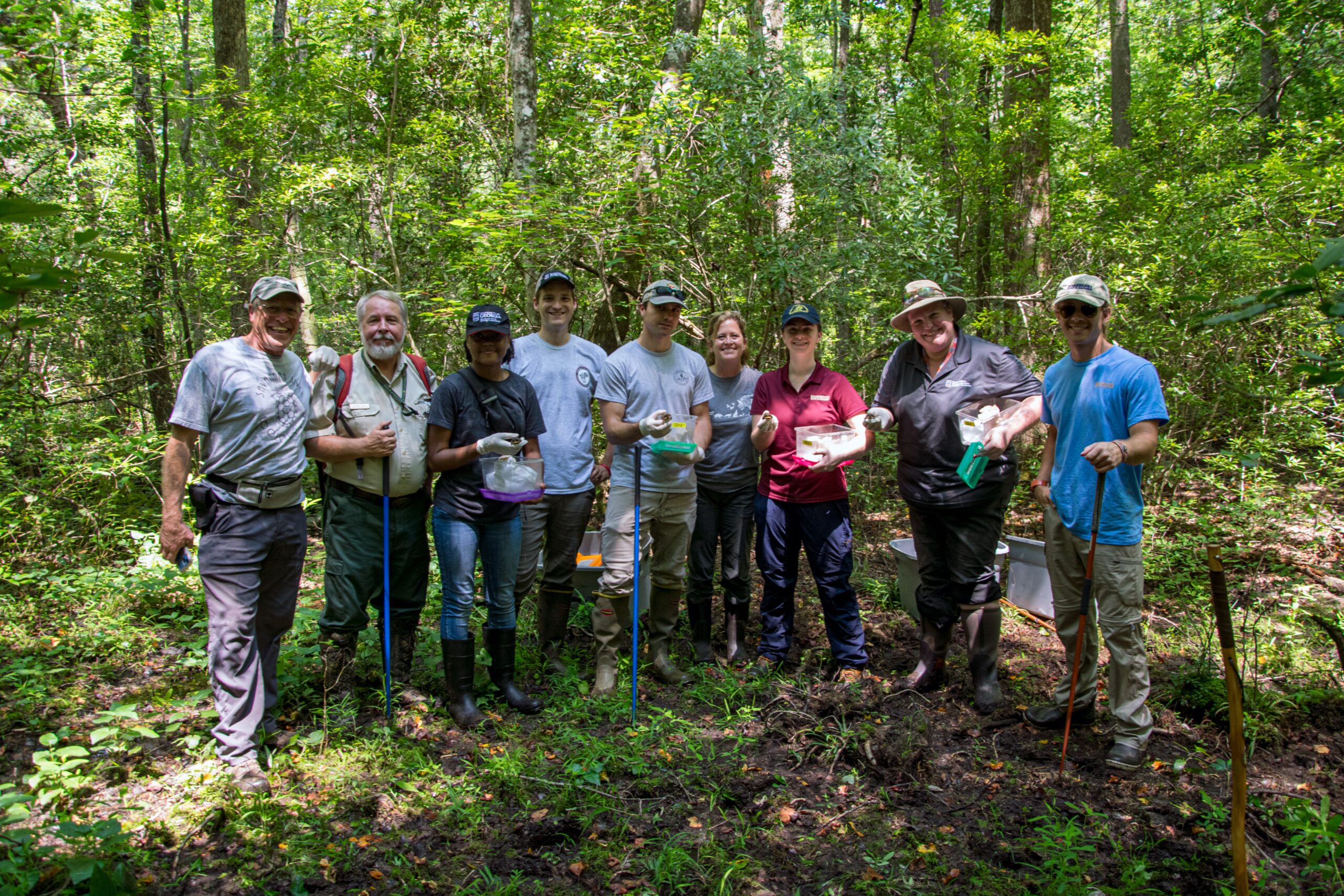
ecologists include college teachers, research scientists, conservation
ecologists in environmental organizations such as the Nature Conservancy,
museum staff involved in environmental programs, government environmental
biologists such as those in the U.S. Fish and Wildlife Service and state
wildlife departments, and students involved in environmental research.
Q. What are
the incentives for becoming a professional ecologist?
A. Ecology
as a career is one most people enter because they enjoy nature; it is
not a career to pursue for money or social status. The best qualities
to have are an intense interest in and curiosity about what makes the
living components of the world work, singly and collectively.
Q. What courses
in high school are important for someone who wants to become an ecologist?
A. Courses
that would be important include biology, chemistry, physics, English,
math, computer science, and geography. Taking outdoor field trips would
be an added bonus.
Q. How much
money do ecologists make?
A. According
to a poll of the Ecological Society of America, about a third of professional
ecologists earn between $30,000 and $50,000 per year. About 20% make between
$50,000 and $70,000. The amount varies with an individual's age (time
in the profession), field of interest, and type of position. Whether someone
works for a university, environmental consulting firm, government agency,
or corporation can make a big difference.
Q. What are
the opportunities for personal advancement?
A. Your chances
for advancement in the field of ecology are similar to those in other
careers. Perseverance, intelligence, and productivity of the individual
play key roles, as do luck, politics, and personalities.
Q. What most
appeals to you about being an ecologist?
A. My major
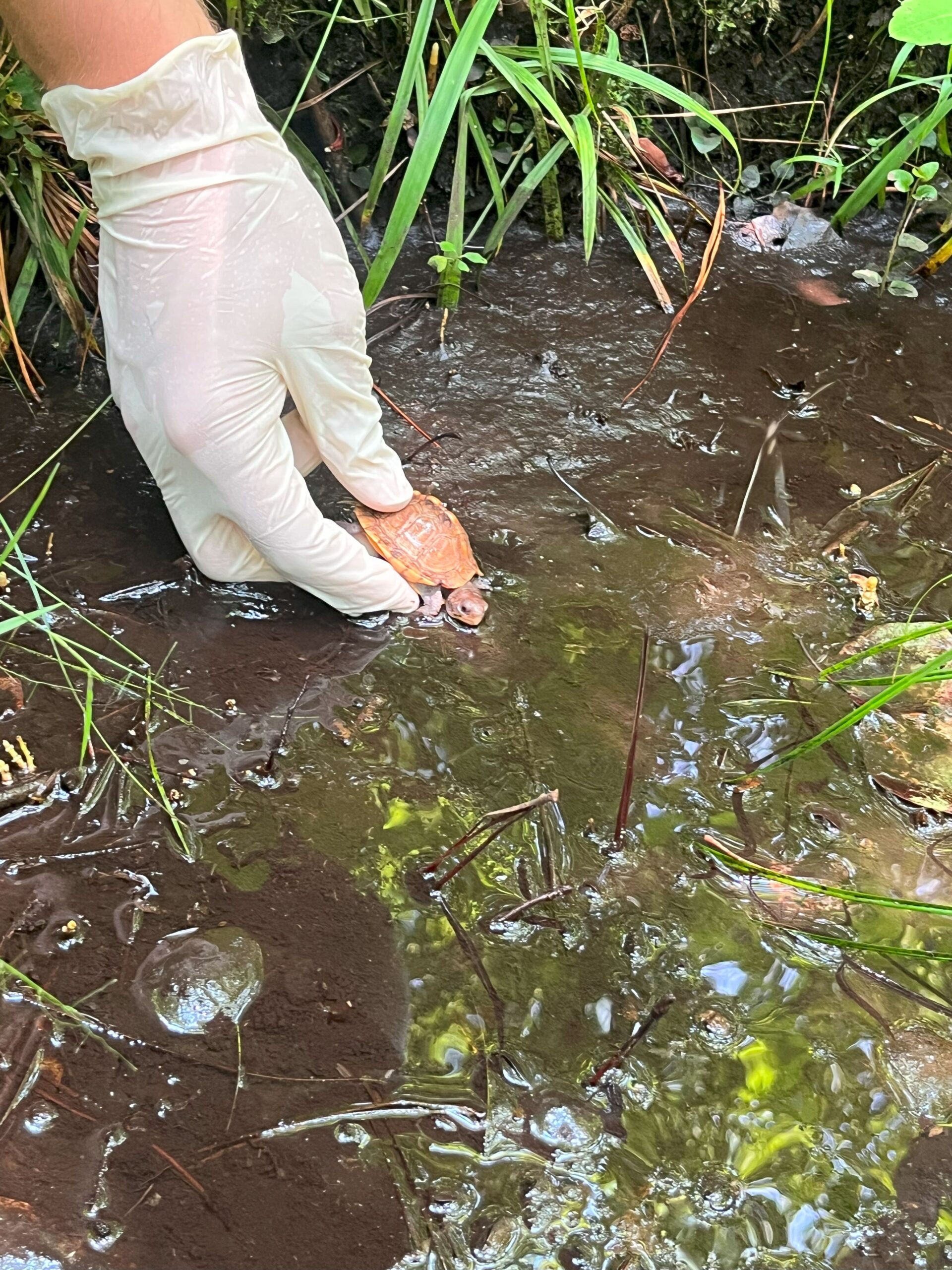
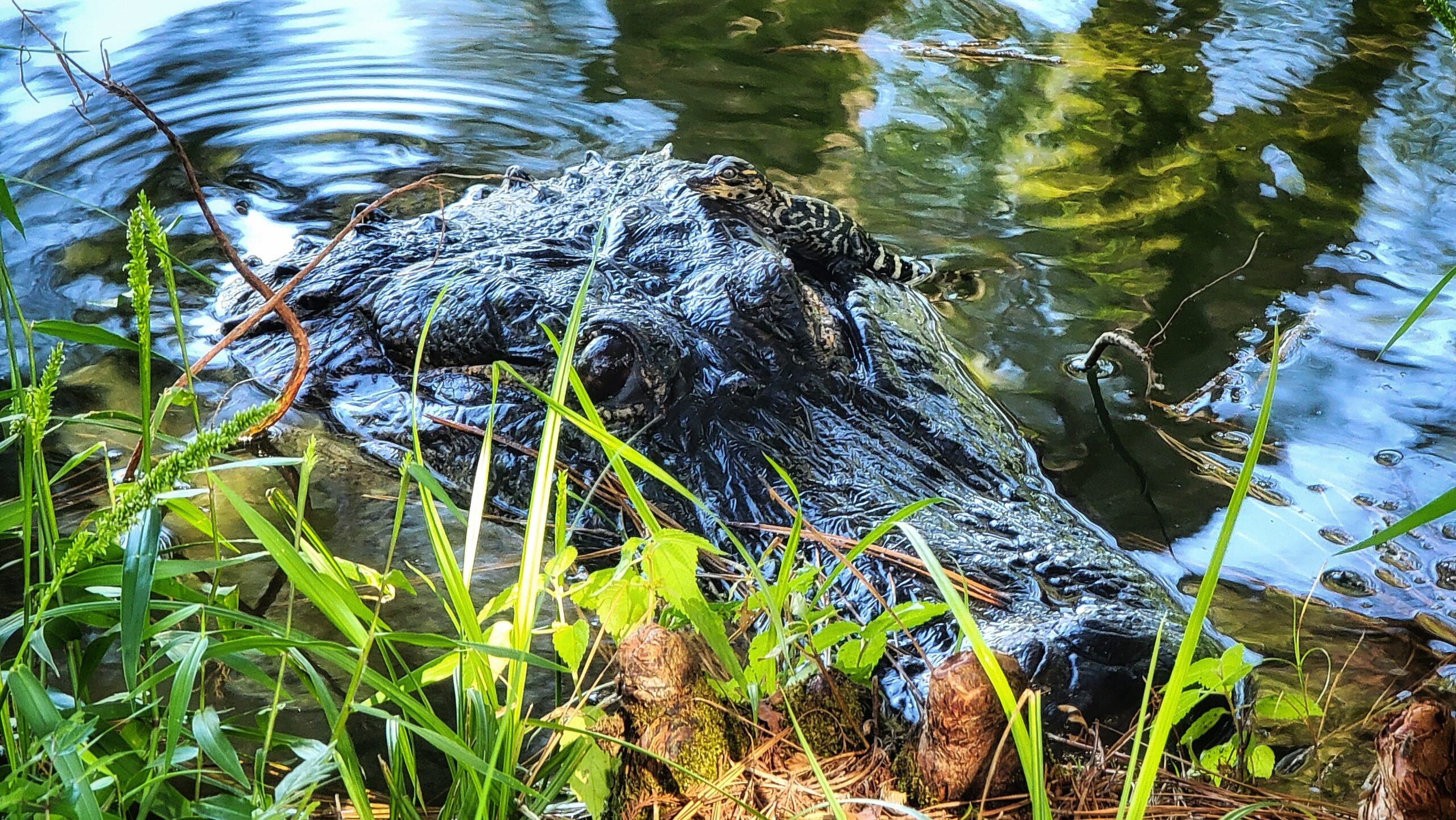
interest in ecology is herpetology, the study of reptiles and amphibians.
By being an ecologist, I get to spend most of my time studying and working
with these animals.
Q. What are
your most and least favorite times as an ecologist?
A. My favorite
times are outdoor adventures with reptiles and amphibians such as exploring
a new area, looking for (and finding) a rare species, and developing new
techniques to study the animals. My least favorite times are when I must
deal with paperwork and meetings.
Q. How much
do you have to work?
A. I spend
about 10 to 12 hours a day as an ecologist if you count field trips, but
I do not consider most of the time spent to be "work." Also,
the environment does not recognize weekends.
My overall
advice to anyone thinking about a career in ecology is to read books on
nature and the environment, spend endless hours outdoors observing nature
and asking questions about why different plants and animals are the way
they are, and excel while getting a broad-based education. Once you have
gone as far as you care to academically, find out who will hire you to
be an ecologist based on your level of training and area of expertise.
If you can't find a paying job as an ecologist, make a living some other
way and be an ecologist in your spare time.
If
you have an environmental question or comment, email 
|